When it comes to transforming your skin, an at-home routine of serums and moisturizers can only take you so far. If you are dealing with deeper structural changes—such as stubborn acne scars, hyperpigmentation, fine lines, or texturized skin—it is time to step into a clinical setting.
In the realm of advanced clinical skincare, two powerhouse treatments dominate the conversation: microneedling and a professional chemical peel.
Both procedures are designed to trigger your skin’s natural healing mechanisms, but they take entirely different physiological paths to achieve that glowing result. If you are caught on the fence trying to decide between microneedling vs. chemical peel treatments, this comprehensive guide will break down the science, the pain levels, the downtime, and exactly how to pick the right treatment for your unique skin blueprint.
The Core Science: How Each Treatment Works
To choose between these two gold-standard treatments, you must first understand how they interact with your skin’s anatomy. One relies on mechanical micro-injury, while the other utilizes chemical exfoliation.
What is Microneedling? (Collagen Induction Therapy)
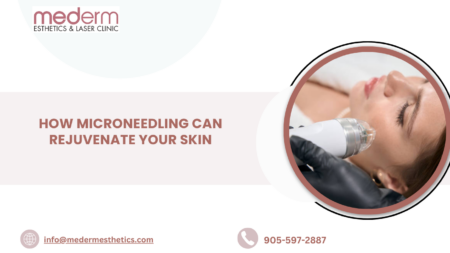
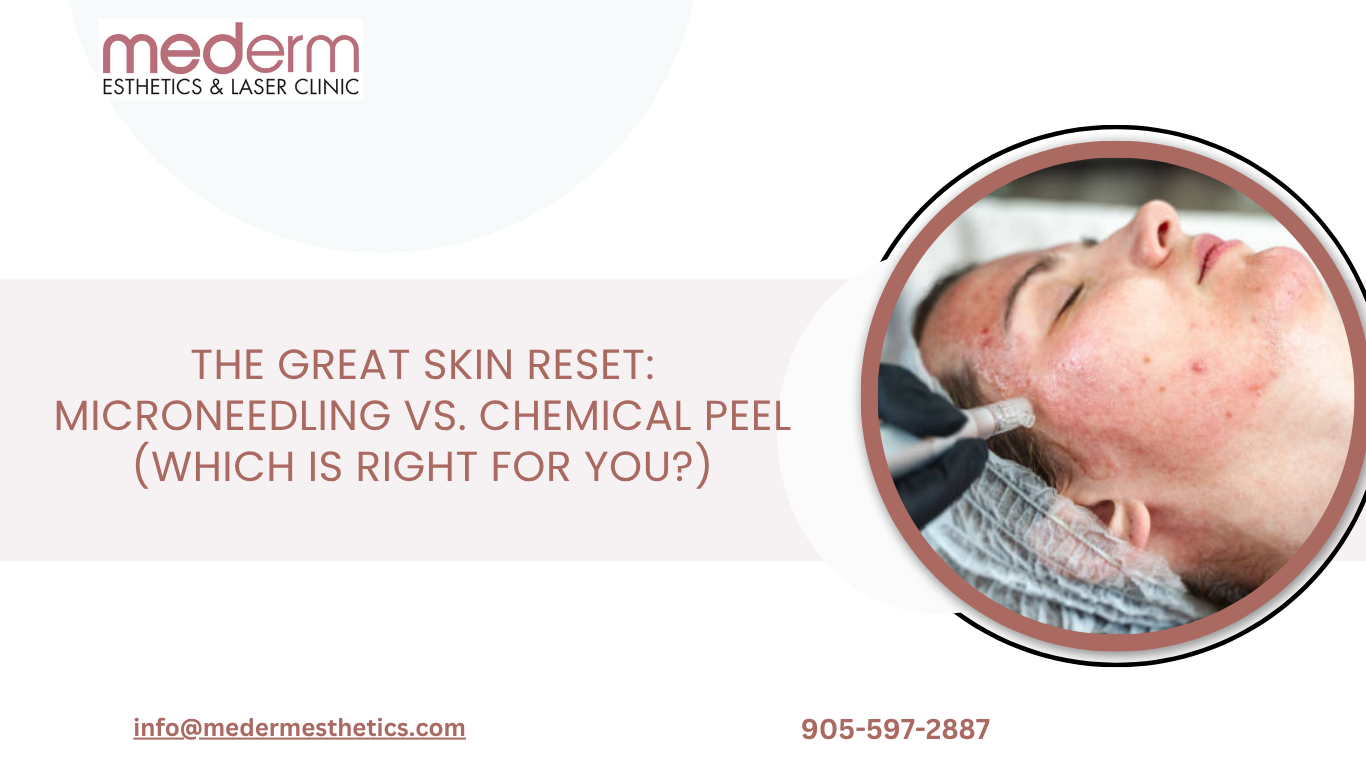
Microneedling is a mechanical treatment that uses a specialized, medical-grade device outfitted with microscopic, sterile needles. When passed over the skin, these needles create thousands of controlled, invisible “micro-channels” in the outermost layer of your skin (the epidermis) down into the deeper layer (the dermis).
[Mechanical Needle Penetration] ➔ [Controlled Micro-Injuries] ➔ [Wound-Healing Cascade] ➔ [Fresh Collagen & Elastin Production]
This process tricks your brain into thinking there is an injury that needs fixing. In response, your body launches a rapid wound-healing cascade, flooding the treated area with growth factors and drastically increasing the production of collagen and elastin. This structural upgrade plumps the skin from the inside out, smoothing out depressions and wrinkles.
What is a Professional Chemical Peel?
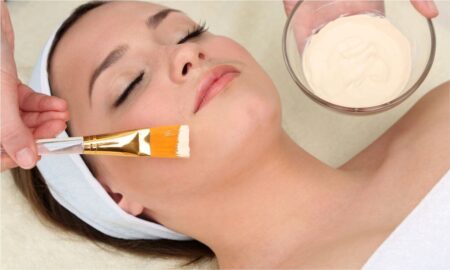
While microneedling punctures the skin vertically, a professional chemical peel acts horizontally by dissolving the cellular “glue” holding dead, damaged skin cells together. During this treatment, a clinical aesthetician or dermatologist applies a specialized acid solution to your face.
[Chemical Acid Application] ➔ [Dissolving Damaged Outer Skin Cells] ➔ [Controlled Shedding] ➔ [Fresh, Evenly Pigmented Skin Surface]
The acid deeply penetrates the surface layers, forcing the old, damaged skin to eventually blister and peel off over the following days. As the dead layers shed away, they reveal an entirely fresh, untouched layer of skin underneath that boasts improved clarity, a smoother texture, and a more uniform tone.
Head-to-Head: Comparing the Two Powerhouses
To truly evaluate microneedling vs. chemical peel treatments, we need to look at how they stack up across the primary categories that matter to patients: targets, comfort, downtime, and cost.
1. Target Concerns: What Do They Treat Best?
While there is an overlap in what these procedures can accomplish, each has a clear competitive advantage depending on your primary skin frustration:
- Choose Microneedling if your concerns are structural: Because it remodels the collagen matrix beneath the surface, microneedling is unmatched for filling in pitted acne scars (boxcar or rolling scars), shrinking large pores, tightening mild skin laxity, and smoothing deep-set wrinkles.
- Choose a Professional Chemical Peel if your concerns are pigment-based: Because peels work from the top down to clear out surface cells, they are incredibly efficient at erasing sun damage, fading dark spots (melasma or age spots), calming active acne flare-ups, and eliminating dullness.
2. The Experience: Pain and Comfort Levels
Nobody loves pain, but advanced skincare requires a little bit of tolerance. Here is what to expect on the treatment table:
- Microneedling: Before the needles touch your face, a high-strength topical numbing cream is applied for 20 to 30 minutes. Because of this, the actual treatment feels more like a sandpapery, vibrating sensation rather than sharp pokes. Areas over bony prominences (like the forehead or jawline) can feel a bit intense, but it is highly manageable.
- Professional Chemical Peel: Peels do not require numbing cream. Instead, you will feel a localized warmth, tingling, or deep stinging sensation the moment the acid is applied. Many clinics provide a small handheld fan to blow cool air across your face, which significantly reduces the intensity. The sensation stops immediately once the neutralizer solution is applied.
3. Downtime and Recovery
How long will you have to hide away from social calendars? The recovery timelines differ noticeably:
| Treatment Feature | Microneedling Recovery | Professional Chemical Peel Recovery |
| Immediate Aftermath | Skin looks and feels like a moderate to severe sunburn for 24–48 hours. | Skin may look slightly flushed or tight, sometimes appearing shiny. |
| The Peak Phase | Days 2–3 involve slight tightness, minor swelling, and mild dryness. | Days 3–6 involve literal shedding, flaking, or peeling of the skin. |
| Total Social Downtime | 1 to 3 Days (You can wear makeup after 24 hours). | 3 to 7 Days (Depending on peel depth; you cannot pick at the peeling skin). |
| Sun Restrictions | Strict SPF and sun avoidance for 1 week. | Extreme sun avoidance for 2 weeks minimum to avoid hyperpigmentation. |
Deep Dive: The Importance of a Professional Chemical Peel
It is crucial to emphasize that a professional chemical peel administered in a medical spa or dermatology clinic is worlds away from the mild, over-the-counter acid serums you buy at the beauty counter.
Consumer-grade peeling solutions are strictly limited in their concentration and pH levels to prevent accidental chemical burns at home. While they are great for mild maintenance, they cannot alter the skin on a cellular level. Clinical chemical peels use highly concentrated, low-pH medical acids that fall into three distinct tiers:
- Superficial Peels: Typically use Alpha-Hydroxy Acids (like glycolic or lactic acid) or Beta-Hydroxy Acids (salicylic acid). They target only the topmost layer of the epidermis, requiring zero downtime while offering a quick brightening boost.
- Medium-Depth Peels: Often utilize Trichloroacetic Acid (TCA) at concentrations up to 35%. These penetrate completely through the epidermis down to the upper layer of the dermis. This is where you see dramatic corrections in deep pigmentation, acne scars, and fine lines, accompanied by significant sheet-peeling.
- Deep Peels: These use phenol acid and penetrate deep into the lower dermis. They require sedation, are performed strictly by physicians, and involve a long recovery, but they can take a decade off a heavily wrinkled face in a single session.
Skin Type Considerations: The Fitzpatrick Scale Warning
One of the most vital deciding factors between these two modalities is your natural skin tone, categorized by dermatologists using the Fitzpatrick Scale (Types I through VI).
Crucial Safety Note: Darker skin tones (Fitzpatrick Types IV–VI) contain highly reactive melanocytes (pigment-producing cells). When subjected to aggressive chemical heat or certain deep acids, these cells can overreact, resulting in a condition called Post-Inflammatory Hyperpigmentation (PIH)—effectively creating more dark patches than you started with.
For individuals with deep skin tones, microneedling is generally considered the safer option because it does not introduce thermal heat or harsh chemicals to the skin surface, preserving the integrity of the melanocytes. If a person with darker skin wants a chemical peel, they must stick strictly to superficial, gentle peels (like Mandelic or low-percentage Salicylic acid) administered by an expert who specializes in diverse skin types.
Can You Combine Both for the Ultimate Results?
You do not always have to choose one over the other! In fact, many advanced skin revision plans leverage both modalities to tackle complex issues.
Because microneedling remodels structure and chemical peels clarify color, alternating these treatments every 4 to 6 weeks allows patients to build a highly robust defense against both aging and scarring. Your provider might recommend a series of three microneedling sessions to raise pitted scars, followed by two professional chemical peels to wipe away the residual red or brown marks left behind by old acne.
The Verdict: Which One Should You Book?
To finalize your decision, let’s simplify your choice based on your primary skin goals:
- Book Microneedling if: Your main goals are filling in acne scars, shrinking large pores, tightening fine lines, improving skin bounce, and you want a quick recovery window with minimal peeling.
- Book a Professional Chemical Peel if: Your main goals are erasing stubborn sun spots, curing active acne, evening out blotchy skin tone, revealing an immediate surface radiance, and you don’t mind a week of actual skin shedding.
Whichever path you choose, always prioritize a comprehensive in-person consultation with a licensed, certified skincare professional. They will analyze your skin under a magnifying lamp, review your medical history, and customize the perfect treatment parameters to ensure you achieve the safest, most jaw-dropping transformation possible.